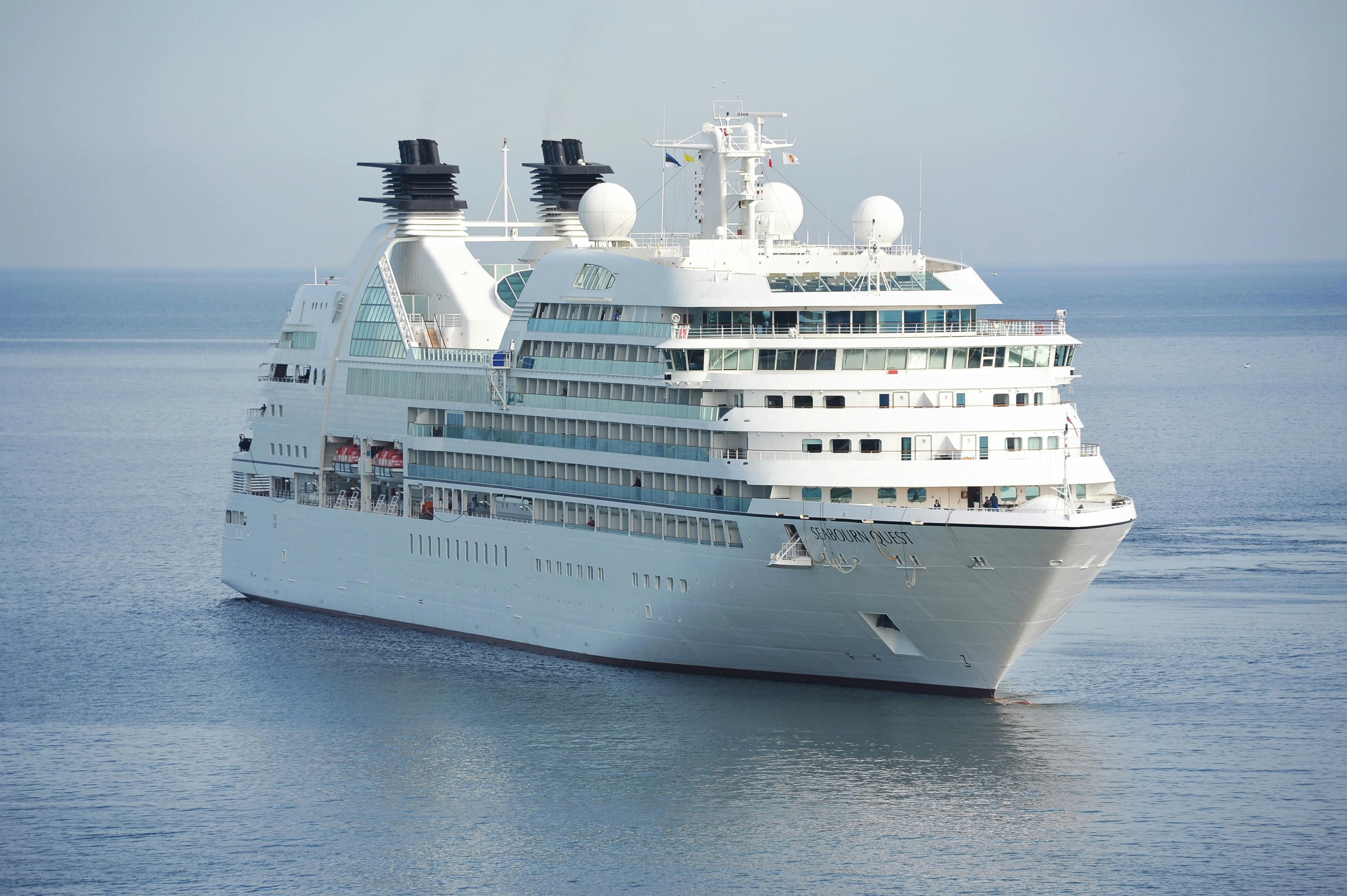
In 2019, marine searchers found the SS Huron sitting straight up on the dark lake floor, looking like it just parked there. Its wooden deck was clean, its railings were still in place, and its steam whistle sat right where the captain left it in 1877. It is one of the most unbelievable ghost ships ever seen under the water.
The ship sank during a sudden autumn storm on Lake Huron, taking several crew members down with it. Most wrecks break apart or turn on their side when they hit bottom. This one dropped through 160 feet of cold water and landed on its keel without falling over. Today, it stands like a museum frozen in time.
What Made the SS Huron Sink So Fast?
The SS Huron was a heavy wooden steamship built to carry freight across the Great Lakes. On October 18, 1877, it was heading through thick fog near the coast of North Carolina when winds picked up fast. The captain thought he was miles away from the beach. He was wrong.
Giant waves pushed the heavy ship onto a sandbar just 200 yards from the shore. Water rushed into the engine room almost right away. The fires went out with a loud hiss, leaving the crew in total darkness. The ship rolled side to side as giant waves broke over the wooden deck.
Back then, ships did not have radios or GPS. The men on board had to rely on simple flares and a loud metal whistle. They blew the whistle for hours, but the wind blew the sound away from the shore. Out of nearly one hundred men on board, almost eighty died that night in the cold surf.

Why Did the Ship Stay Upright on the Sea Floor?
When a ship fills with water, it usually tips over. Heavy engines pull the top down, or the cargo slides to one side. That is why most sea wrecks look like a pile of broken boards lying flat in the mud. The Huron did something very strange instead.
As water filled the hull, the heavy iron engine at the bottom acted like a giant weight. It pulled the ship straight down toward the sand. The air left in the upper cabins kept the top light for just a few extra seconds. It was a perfect balance of weight and water pressure.
When it hit the bottom, the sand was soft enough to catch the keel like a pillow. The ship sank three feet into the mud and stopped. It did not tilt left, and it did not tilt right. It just sat there, facing the open water as if it was still moving forward. It takes special knowledge of Survival skills to understand how rare it is for anything to land so cleanly during a disaster.
Divers who go down there say it feels eerie. The ship sits in pitch black water, silent and whole. You can light up the wheelhouse with a flashlight and see where the captain stood. It feels like the crew just stepped away for a minute.
How Do Searchers Find Ships Like This Today?
Finding a wreck sitting flat on the sea floor is like finding a needle in a giant dark room. Searchers use long metal tubes pulled behind boats, called side-scan sonar. This tech sends sound waves down to the sand and listens for the bounce. Flat sand sounds soft, but hard wood and metal send back a sharp ping.
In 2019, a search team was mapping the bottom when their screen showed a long, straight shape. It was not a pile of trash or a rock ledge. It had the exact shape of a wooden deck. When they lowered a camera, the first thing they saw was the bow standing tall.
The cold water of the Great Lakes and deep ocean spots acts like a giant fridge. It has very little oxygen, so wood does not rot like it does in warm ocean water. Worms that eat wood cannot live in that cold, dark place. That is why the Huron still has its wooden boards after more than a century.
You can read more about strange underwater finds and ancient secrets by checking out anchor text about the topic. The deep water holds thousands of stories that look too wild to be real, but every bit of wood down there is real history.
What Was Found Inside the Ship?
When side cameras went inside the open doors of the Huron, they found everyday items left behind by the sailors. Plates were stacked in the galley cupboards. Heavy iron pots sat near the stove. A pair of leather boots sat right beside a wooden bunk.
The ship carried heavy iron ore and wooden barrels. The barrels were still stacked in neat rows inside the main cargo hold. Because the ship landed flat, nothing spilled out or rolled away. It was all tucked inside, preserved by cold water and dark sand.
Here is what divers saw when they shined their lights on the deck:
- The big iron anchor was still tucked into its side slot, never dropped.
- The ship wheel was still standing, though the wooden spokes were worn smooth.
- Brass lanterns were still hanging from the ceiling hooks in the main cabin.
- The heavy engine sat right in the center, free of rust or heavy weeds.
Sometimes these finds read like movie props, much like the hidden details inside Movie Set Easter Eggs and Secrets You Never Noticed. But on the sea floor, no one built these items for a show. Real men used those lanterns and cooked in those iron pots on their last night alive.
How Are Deep Wrecks Preserved?
Many people wonder why wreck hunters do not pull ships like the Huron up to the surface. It sounds simple enough. You attach big balloons, fill them with air, and lift the wood back into the sun. But the moment old wood leaves cold water, it starts to fall apart.
Salt and water fill the tiny cells inside the wood over long decades. If the wood dries out in the air, those cell walls collapse like weak cardboard. The wood turns into dust in just a few weeks. Keeping a ship safe means leaving it under the water or spending millions of dollars on chemical baths to dry it out over ten years.
Local laws also protect these spots now. They are treated like graves and historic sites. Divers can look, but they cannot touch or take a single coin. This helps preserve these deep places for people who collect Oral history and study the past.
The Huron stays down there in the dark, perfectly straight and totally silent. It rests in peace, holding the memories of that stormy October night over a hundred years ago.
Why Do Wreck Stories Stay With Us?
There is something about a ship sitting upright on the bottom that catches our breath. It looks like it is waiting for its crew to come back and turn the engine on. It makes a hundred-year-old event feel like it happened yesterday morning.
We like these stories because they show how strong objects can be, even when humans lose to nature. A storm can break a crew, but a simple wooden boat can drop through dark waves and stand tall on the sand for centuries. It just sits there, watching the fish swim past its deck.
Next time you look at a big lake or the ocean on a stormy night, think about what is sitting down below the waves. There might be a ship standing right under your boat, perfectly upright, just waiting in the dark. Have you ever wondered what else is hidden under the water right near your favorite beach?